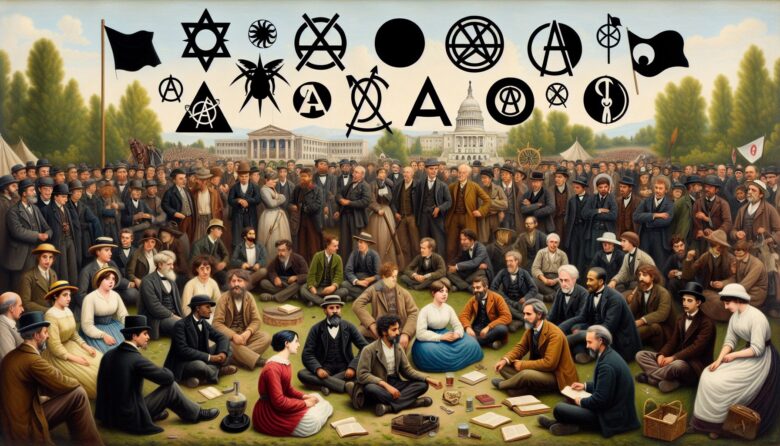
As anarchists, we have always stood on the fringes of society, challenging the status quo and pushing for radical change. Our culture is one of rebellion, of defiance, and of a deep-rooted belief in the power of the individual to bring about true liberation. And at the heart of this culture lies the concept of the fringe – a space where the revolutionary spirit thrives and where our voices can be heard.
The history of fringe culture for anarchists is one that is as old as our movement itself. From the early days of anarchism in the 19th century to the present day, anarchists have always found ways to push the boundaries of what is considered acceptable in society. We have always been the ones to question authority, to challenge the norms, and to fight for a world where all are truly free.
In the early days of the anarchist movement, the fringe was a place of refuge for those who dared to dream of a better world. It was a space where ideas could be shared, where dissent could be expressed, and where the seeds of revolution could be planted. Anarchists gathered in cafes, salons, and meeting halls, discussing their visions for a world without hierarchy, without oppression, and without injustice.
As the anarchist movement grew and evolved, so too did the culture of the fringe. Anarchists began to embrace art, music, and literature as tools of resistance, using them to spread their message and to inspire others to join the fight. The punk movement of the 1970s and 1980s, for example, was deeply influenced by anarchist ideas, with bands like The Clash and The Sex Pistols using their music to challenge authority and to call for revolt.
Today, the fringe culture of anarchists is as vibrant and diverse as ever. From zine-making to street art, from spoken word poetry to DIY fashion, anarchists continue to find new and creative ways to express their revolutionary spirit. We use social media and the internet to connect with like-minded individuals from around the world, sharing ideas, organizing protests, and spreading the message of liberation.
But while the tools of anarchist culture may have changed, our core beliefs have remained the same. We still believe in the power of the individual to bring about change, in the necessity of direct action, and in the importance of solidarity and mutual aid. And we still believe in the power of the fringe – the power of those who stand outside of the mainstream, who dare to dream of a world where all are truly free.
In conclusion, the history of fringe culture for anarchists is a history of rebellion, of resistance, and of a deep-rooted belief in the power of the individual. It is a history of pushing boundaries, of challenging norms, and of fighting for a world where all are truly equal. And as anarchists, we will continue to embrace the fringe, to push the boundaries of what is possible, and to fight for a world where true liberation is finally within reach.